


Beyond the Mammogram: Why Annual Breast Ultrasounds Are Essential for Women with Dense Breast Tissue
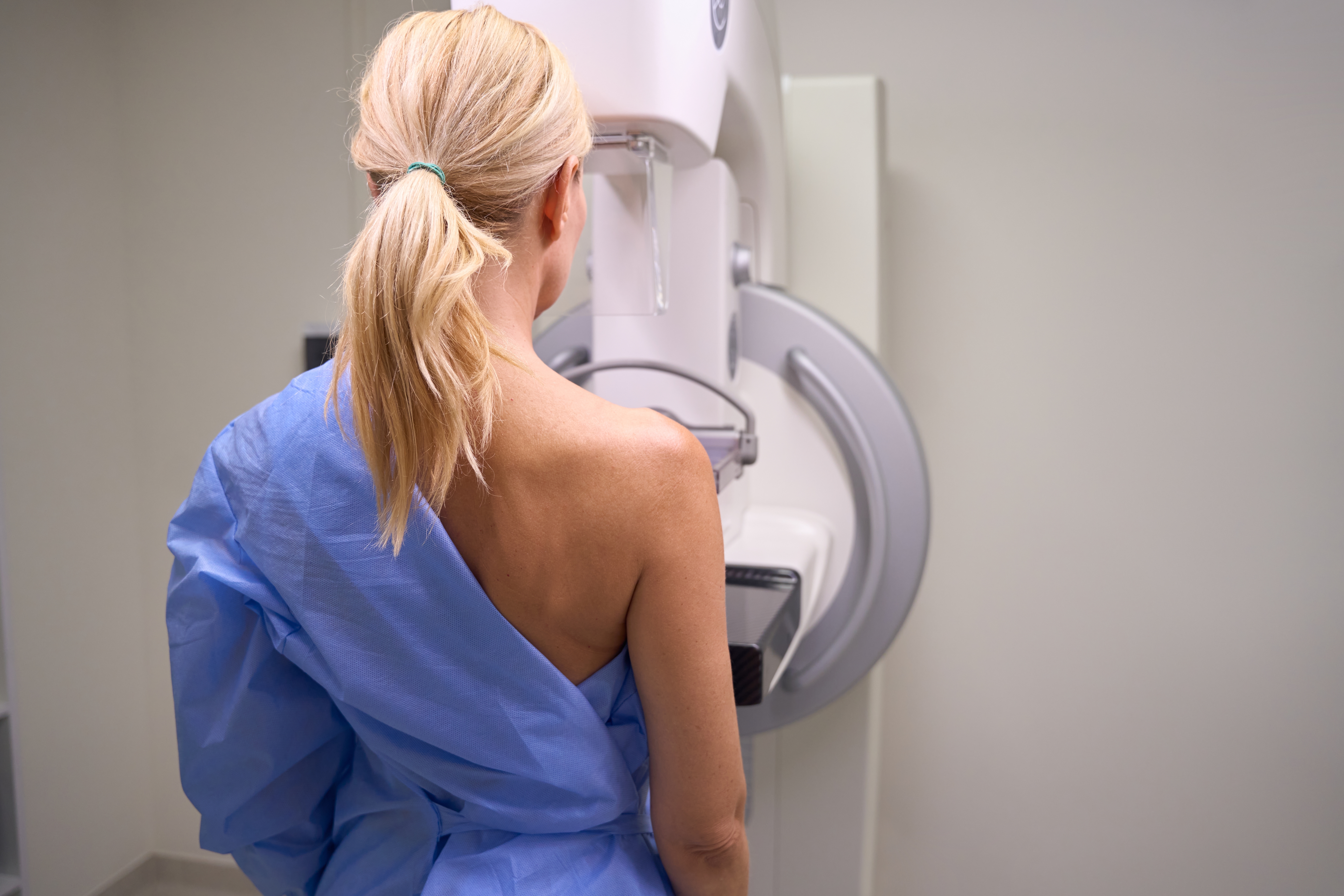
A mammogram remains the standard screening tool for breast cancer, but it may not provide a complete picture for every woman. Dense breast tissue can make suspicious areas more difficult to identify on a mammogram because both dense tissue and many abnormalities appear white on the image. Dense breasts are also associated with an increased risk of developing breast cancer.
For women with dense breast tissue, an annual breast ultrasound may be recommended as a supplemental screening tool. At Arizona Breastnet, we use breast ultrasound alongside mammography when appropriate to provide a more comprehensive evaluation based on each patient’s breast density, medical history, and individual risk factors.
What Does It Mean to Have Dense Breasts?
Breasts are made of fatty tissue, fibrous connective tissue, and glandular tissue. Breast density describes the balance of these tissues as seen on a mammogram. Women with more fibrous and glandular tissue than fatty tissue may be classified as having heterogeneously dense or extremely dense breasts.
Dense breast tissue is common and cannot be identified through appearance, touch, or a clinical breast exam. A radiologist determines breast density by reviewing mammogram images. Nearly half of women age 40 and older who receive mammograms are found to have dense breast tissue.
Why Mammography May Not Be Enough
On a mammogram, fatty tissue generally appears dark, while dense tissue appears white. Breast masses and other concerning findings may also appear white, allowing them to blend into the surrounding dense tissue.
A mammogram is still an essential part of breast cancer screening and should not be replaced by ultrasound. However, supplemental breast imaging may help evaluate areas that are difficult to see clearly on mammography. Federal mammography regulations now require patients to be informed about their breast density so they can discuss whether additional imaging may be appropriate.
How Breast Ultrasound Provides Additional Information
Breast ultrasound uses sound waves to create detailed images of breast tissue without using radiation. It allows our team to examine areas from a different perspective and determine whether a finding appears solid or fluid-filled.
Depending on the patient’s needs, we may recommend:
- Whole breast ultrasound to evaluate dense breast tissue more extensively
- Targeted ultrasound to closely examine a lump, area of discomfort, or concerning mammogram finding
- Additional imaging based on personal history, family history, breast density, or other risk factors
Arizona Breastnet offers both whole breast and targeted breast ultrasounds performed by board-certified ultrasound technologists with specialized breast imaging training.
Building a Personalized Annual Screening Plan
Not every woman with dense breast tissue requires the same combination of imaging tests. The decision to include an annual breast ultrasound should be based on breast density and the patient’s complete risk profile. Supplemental screening can provide valuable information, but it may also lead to additional testing when an area requires further evaluation.
Our approach includes reviewing your medical history, previous breast images, breast density, symptoms, and risk factors. This allows us to recommend an individualized screening schedule rather than relying on a one-size-fits-all plan.
Take a proactive step toward clearer answers and schedule your annual breast ultrasound with Arizona Breastnet in Scottsdale, Arizona, at (480) 314-7600.
Quick Links

All Services
Learn More
Keep
In Touch


Our Services
Contact Info
Hours of Operation
- Monday 9:00 AM - 5:00 PM
- Tuesday 9:00 AM - 5:00 PM
- Wednesday 9:00 AM - 5:00 PM
- Thursday 9:00 AM - 5:00 PM
- Friday 9:00 AM - 12:00 PM
- Saturday Closed
- Sunday Closed
© 2025 Breastnet. All rights Reserved. Accessibility Statement - Privacy Policy - Sitemap
Powered by:
